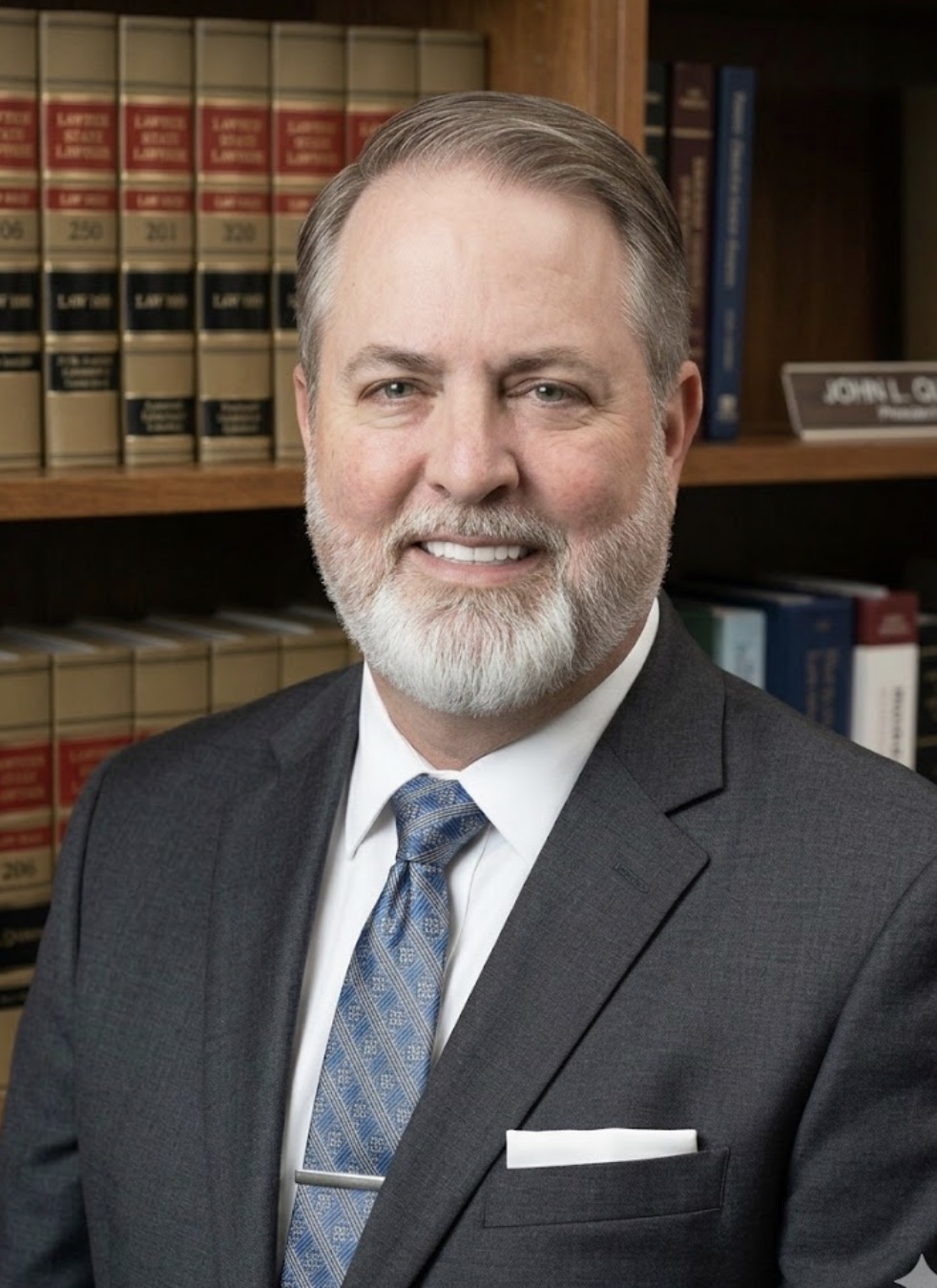
John Quigley
John's relationship with the mechanics of search predates the industry itself. In 1997 he acquired PlanetSearch from Philips Magnavox — at the time one of four major search engines on the web, alongside Yahoo, Lycos, and Disney's Go Network. While the broader public was just beginning to understand what a search engine was, John was already reverse-engineering ranking signals, amassing hundreds of domain properties, and building pay-per-click monetization models that would predate Google AdWords by years. The underlying discipline wasn't marketing — it was architecture: understanding how information is organized, how queries are resolved, and how the gap between intent and result can be closed.
That architecture-first orientation shaped everything that followed. Translating those same SEO and schema principles into lead generation, he became the top-ranked organic result in Las Vegas for the keyword "mortgage" — then turned that foothold into a career spanning fintech, media, and vertical-market directories. He built and operated meta-search platforms until consolidation forced the category to contract, then carried those pattern-recognition instincts forward into every new search cycle that emerged.
NevadaAttorneyFinder is where that 28-year arc converges. The site is built from the ground up around structured data schema, AI-citation architecture, and the signals that govern how large language models surface local service providers in answer-engine responses. The same technical intuition John applied to PageRank in 1999 now drives how this platform positions Nevada attorneys inside ChatGPT, Perplexity, and Google's AI Overviews — the search layer that is, right now, replacing the one he helped design.
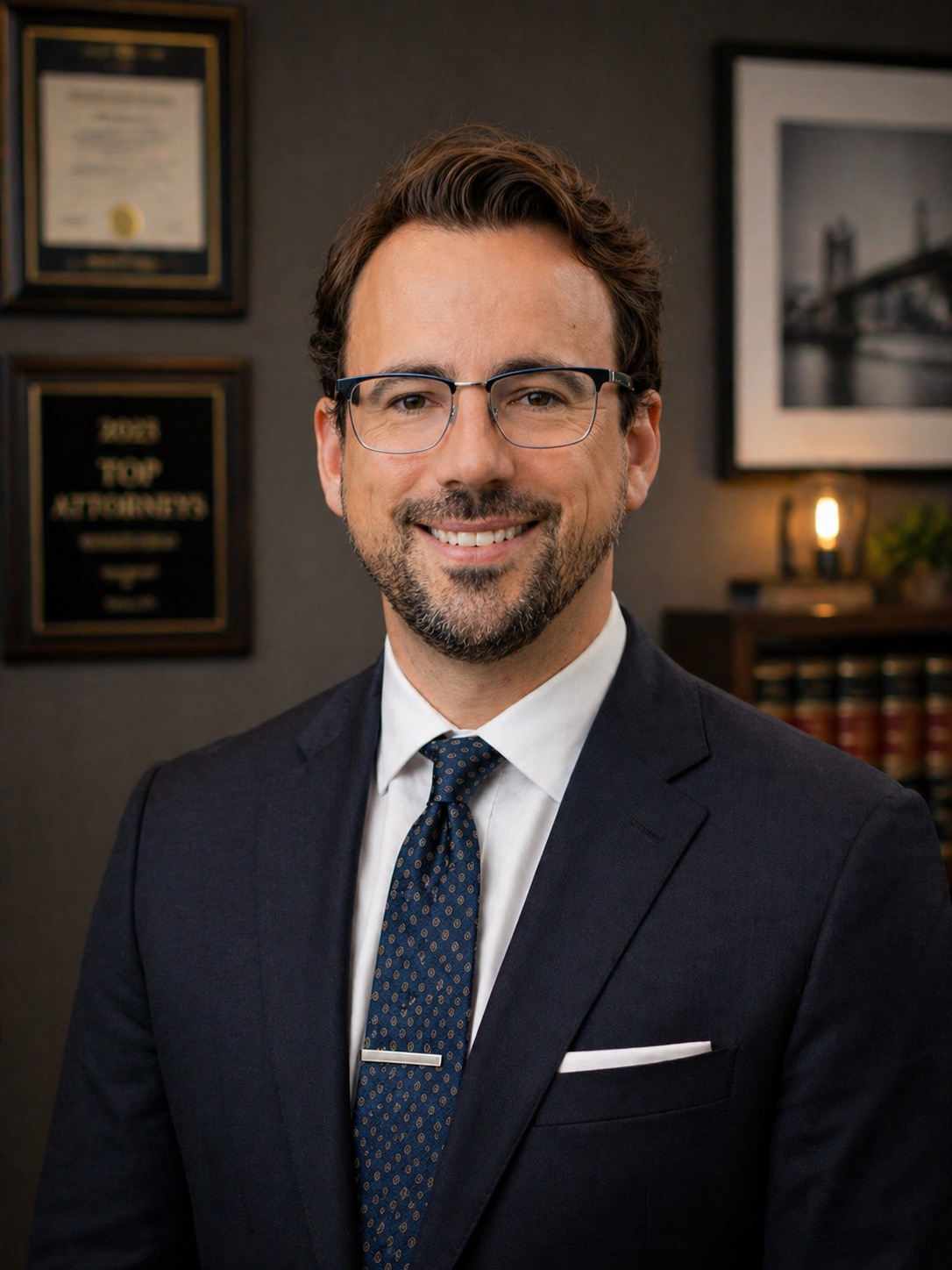
Tom Cutshall
Tom has spent two decades operating at the convergence of data architecture, directory search, demand generation, and high-trust consumer markets — building systems that help people find the right resources at the moments they need them most. His reputation as a "Data Doctor" was established through engineering acquisition pipelines that transformed raw data signals into measurable growth. For more than 17 years, he has worked on directory and search-driven services that connect homeowners, consumers, and local communities to timely offers, providers, and support.
That same lens has shaped his work across legal marketing, victim relief, nonprofit infrastructure, and public-service-oriented brands. Tom has helped build data communication channels for fire and natural disaster victims, where reaching displaced people quickly and responsibly can be one of the greatest challenges. Through brands and nonprofit-focused platforms like Church.org, he has developed resources designed to serve people facing financial hardship, mental health needs, disaster recovery, and other moments of urgency.
At NevadaAttorneyFinder, Tom leads the data architecture, directory strategy, and acquisition modeling behind a platform built to help legal teams be discovered by the local people who need them. His approach is systems-first and purpose-driven: using better data, search infrastructure, and emerging technologies like AI search to redefine how legal marketing works. Tom believes the next era of legal growth will be shaped by smarter discovery systems — where connecting people to trusted attorneys becomes less of a marketing problem and more of an engineered path to outcomes.
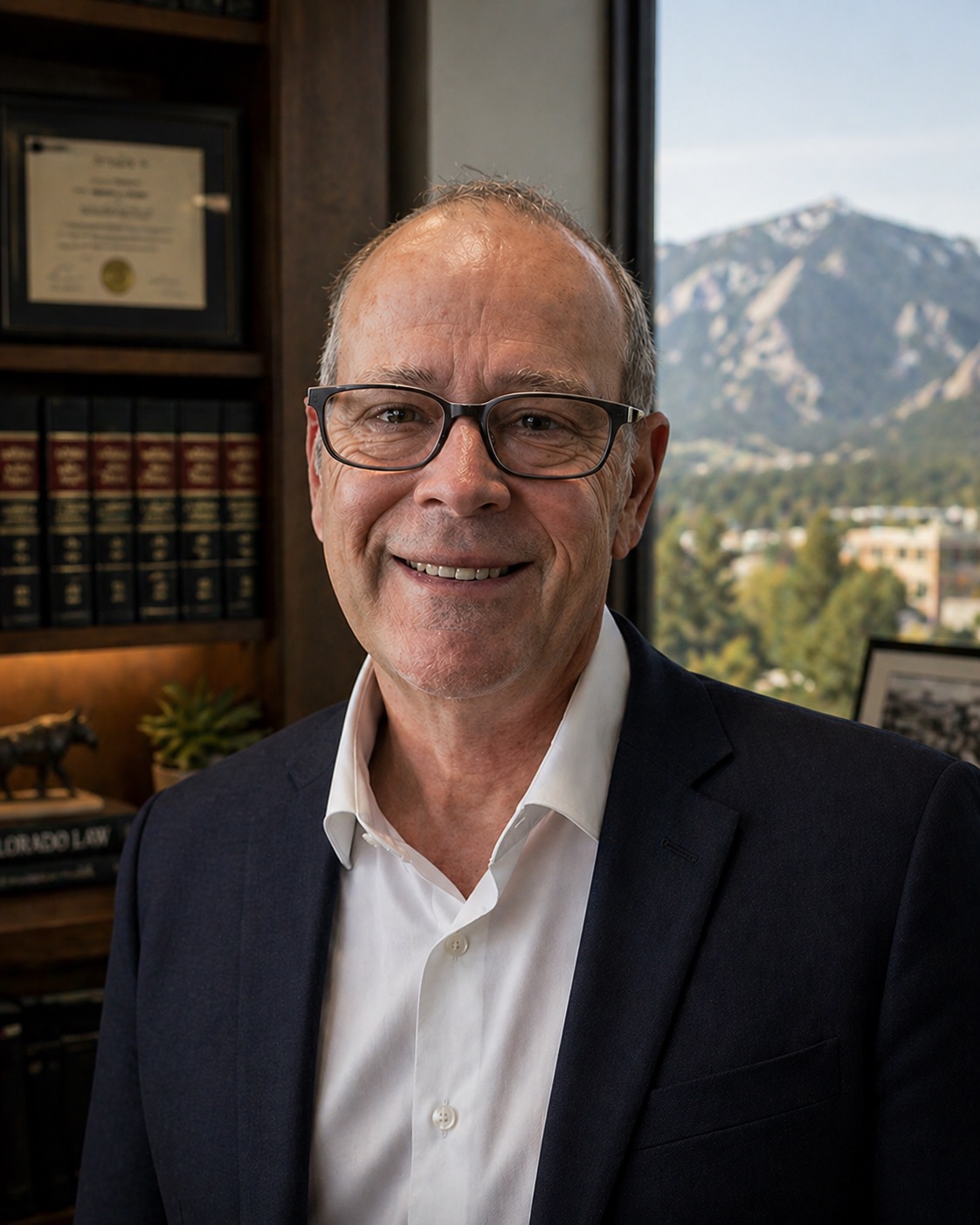
Randy Winn
Randy's career is defined by trust, relationships, and a simple belief: your word should be your bond. He has spent years working closely with clients, listening to their needs, understanding where existing services fall short, and helping connect people with resources they can rely on. His approach is hands-on and client-first — focused less on theory and more on making sure the people and businesses he serves are winning.
As a founding force behind performance-driven service companies, Randy has helped build offerings that create measurable value for clients by identifying gaps in the market and advocating for practical solutions that work. He brings an old-school commitment to service, accountability, and follow-through, paired with a modern understanding that the right technology should make trusted connections easier, clearer, and more profitable.
At NevadaAttorneyFinder, Randy's role is rooted in the human side of growth: building trust with attorney partners, understanding what clients actually need, and helping ensure the platform delivers real value. Outside of work, Randy enjoys traveling, watching his son play baseball, and spending time with the people who matter most. His leadership philosophy is straightforward: serve people well, stand behind your word, and build services that help clients succeed.